






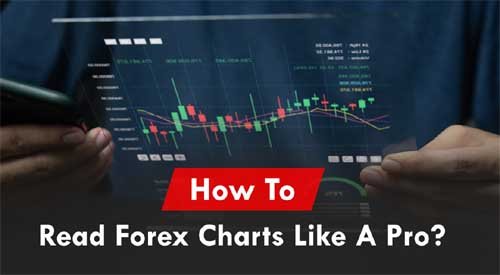
How to Read Forex Charts Like a Pro
If you want to succeed in forex trading, learning how to read charts is one of the most important skills you can develop. Charts give you a visual story of price action, helping you identify trends, spot opportunities, and make smarter trading decisions.
In this guide, we’ll walk you through the essentials of reading forex charts and give you tips to approach them like a pro.
🔹 Types of Forex Charts
1. Line Chart
- Shows a simple line connecting closing prices over time.
- Best for beginners to see general trends.
2. Bar Chart
- Displays the open, high, low, and close (OHLC) for each time period.
- Offers more detail than a line chart.
3. Candlestick Chart
- The most popular chart type in forex.
- Each “candle” shows open, high, low, and close prices, with colors indicating bullish or bearish moves.
- Patterns like Doji, Hammer, and Engulfing give traders insight into market psychology.
🔹 Key Elements to Understand
-
- Timeframes
- Charts can be set to different time intervals (1 minute, 1 hour, daily, weekly).
- Shorter timeframes = more detail for day traders.
- Longer timeframes = bigger picture for swing or position traders.
- Timeframes
- Price Axis & Time Axis
- The vertical axis shows price levels.
- The horizontal axis shows time progression.
- Trendlines
- Connecting highs or lows with straight lines helps traders identify upward, downward, or sideways market trends.
- Support & Resistance
- Support: a price floor where buying pressure holds the market.
- Resistance: a ceiling where selling pressure caps the price.
🔹 Indicators to Add to Charts
- Moving Averages (MA & EMA): Smooth out price action to identify trends.
- Relative Strength Index (RSI): Measures momentum, showing overbought/oversold conditions.
- MACD: Confirms momentum shifts.
- Bollinger Bands: Indicate volatility and breakout zones.
🔹 Pro Tips for Reading Forex Charts
- Start simple — focus on price action before adding multiple indicators.
- Always check multiple timeframes to avoid tunnel vision.
- Combine technical analysis with economic fundamentals for stronger insights.
- Practice chart reading with a demo account before trading live.
🔹 Final Thoughts
Reading forex charts is more than recognizing lines and candles — it’s about interpreting market psychology and momentum. By mastering candlestick patterns, timeframes, and indicators, you’ll gain a professional edge in analyzing the market.
With practice and discipline, chart reading can become your most powerful tool in forex trading.